Ask any visa consultant why tourist visas get refused, and you will hear the same answer again and again: the officer was not convinced the applicant would come back. That is what "home-country ties" are about - the things in your life that make returning the natural outcome. Here is what ties actually are, how the US, UK, Canada and Schengen countries test them, and what the official guidance says to do if you are refused.
What "ties" actually means
The clearest definition comes from the US State Department: ties are "the various aspects of your life that bind you to your home country." They vary from country to country, city to city, and person to person - but the examples it gives are simple:
- Your job. Current employment, a business you run, or work waiting for you back home.
- Your home. A house you own or a settled family residence you will return to.
- Your relationships. Family and friends whose lives are woven into yours at home.
Canada's list adds one more: financial assets. The common thread is gravity - the more your daily life, money and people are anchored at home, the more credible your return looks on paper.
How each destination tests your ties
The question is the same everywhere, but the mechanism differs:
- United States. Under INA section 214(b), every visitor applicant is presumed to be an intending immigrant until they show strong ties that will compel them to leave at the end of the stay. Consular officers consider your circumstances, travel plans, financial resources and ties outside the US - most often through the visa interview.
- United Kingdom. The Standard Visitor rules require that you will leave the UK at the end of your visit, can support yourself and pay for your onward journey - and that you will not live in the UK through frequent or successive visits or make it your main home.
- Canada. Visitor applicants must convince the officer of two things: that they have ties - a job, home, financial assets or family - that will take them back, and that they will leave Canada at the end of the visit.
- Schengen countries. The visa application itself must include supporting documents showing the purpose of your stay, your financial means and accommodation - and evidence of your intention to return to your home country after your stay. Ties here are proven on paper, not in an interview.
How to present your ties well
- Let your documents tell one consistent story. Employment letter, leave approval, salary slips, property papers, family details and travel plan should all point the same way - officers read them together.
- Be specific about the trip. A clear itinerary, return booking and realistic budget do as much for your case as any single tie.
- Travel history helps but is not everything. The US guidance is explicit that strong ties vary person to person; a first-time traveller can still show a settled life at home.
- Watch the frequent-visit pattern for the UK. Successive long visits that start to look like living there count against you, even if each stay was legal.
- Never exaggerate. A claim that does not survive a document check or an interview question damages this application and the next one.
- Apply inside the official window. Schengen consulates accept applications no earlier than 6 months and at least 15 days before travel; normal processing is 15 days and can stretch to 45 - plan around it.
If your application is refused
A refusal on ties is not the end. The US is explicit that a 214(b) refusal applies to that specific application - there is no appeal, but you may reapply, and the guidance says you should be able to show significant changes in circumstances since the last application. Schengen refusals come with the reason in writing and information on how to appeal. Either way, the fix is a stronger, more current picture of your ties - not the same file submitted again unchanged. We covered the wider refusal patterns in our visa rejection reasons post, and choosing between routes in yesterday's study vs work visa guide.
This post is for general information. It is checked against the official sources below on 9 November 2026, but visa rules change - always confirm the current requirements on the official sources, and consider advice from a licensed immigration consultant or lawyer for your specific case, before you apply.
Official sources
- US Department of State - Visa Denials and INA section 214(b) (presumption, strong ties, reapplying): travel.state.gov
- GOV.UK - Standard Visitor visa eligibility (leave at end of visit, support yourself, no successive-visit residence): gov.uk
- IRCC - Who can visit Canada (ties such as a job, home, financial assets or family; leaving at end of visit): canada.ca
- European Commission - Applying for a Schengen visa (documents incl. evidence of intention to return; application window; refusals): home-affairs.ec.europa.eu
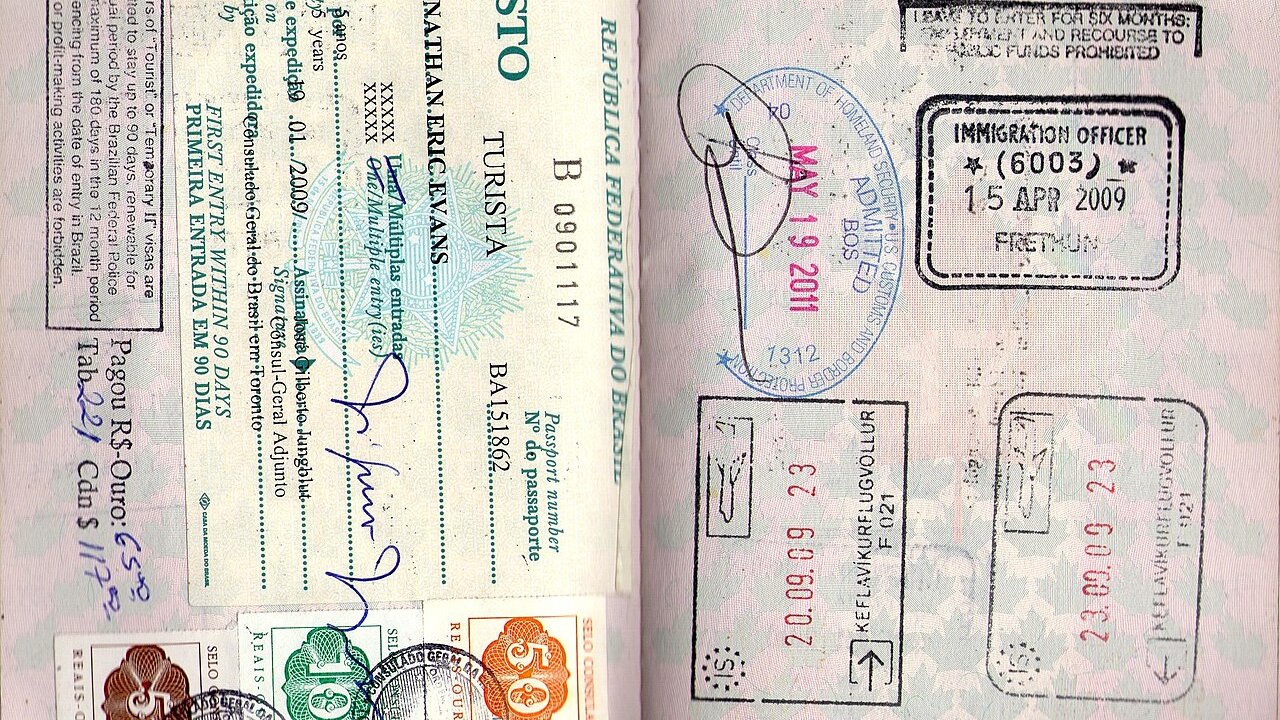
Image: "Brazil, Iceland, UK, US passport stamps" by Jon Evans, CC BY 2.0, via Wikimedia Commons.
#TouristVisa #VisitorVisa #HomeCountryTies #SchengenVisa #USVisa #CanadaVisa #LoyalInstituteForEducation #Ambala