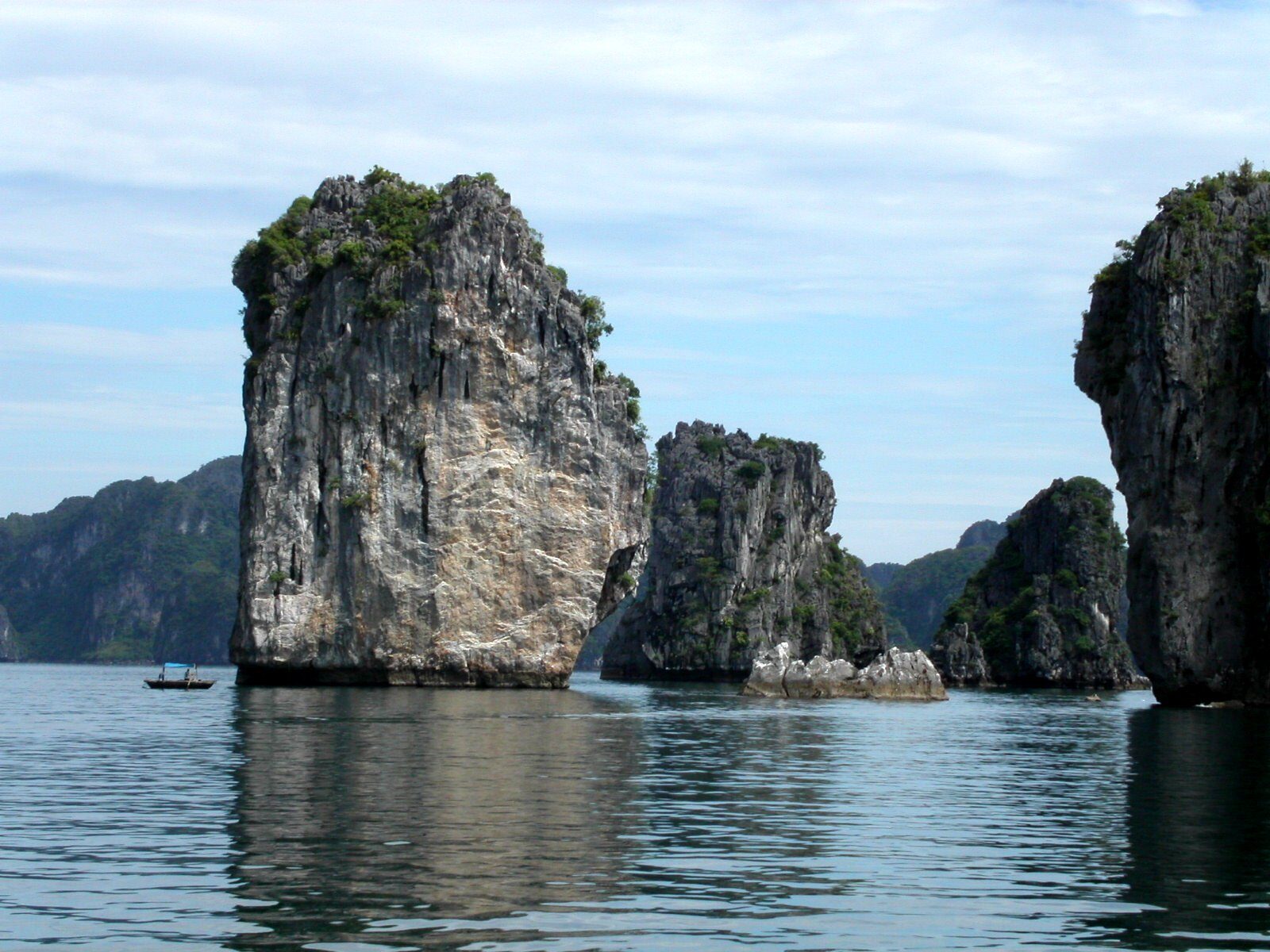
Ha Long Bay, Hoi An's lantern streets, Da Nang's beaches and street food that ruins you for anywhere else - Vietnam has become one of the most popular Southeast Asian trips for Indian travellers. India is not on Vietnam's visa-exemption list, so Indian passport holders need a visa before they fly, and for almost every tourist that visa is the e-Visa: applied for fully online, no embassy visit, no agent. This guide puts the current rules in one place, with every figure from the Vietnam Immigration Department's official portal and Vietnamese government sources, checked on 27 November 2026.
The visa in one view
Vietnam's e-Visa is issued by the Immigration Department through its online portal and is open to citizens of all countries and territories, India included. It is valid for up to 90 days, as either a single-entry or a multiple-entry visa - you choose when you apply, and the fee differs. The e-Visa covers tourism and visits; working in Vietnam needs the appropriate visa and a work permit. One condition to note: you apply from outside Vietnam, with a valid passport.
| Vietnam e-Visa | Current figure |
|---|---|
| Fee | US$25 single entry, US$50 multiple entry - paid online, not refunded if the application is refused |
| Validity | Up to 90 days, single or multiple entry (your choice at application) |
| Processing | Within 3 working days of the Immigration Department receiving a complete application and the fee |
| Who can apply | Citizens of all countries and territories, including India (since 15 August 2023) |
| Where you apply | Online only, on the official portal evisa.gov.vn (also thithucdientu.gov.vn) |
| Where you can enter | 42 designated border gates: 13 airports, 16 land crossings, 13 seaports - at the gate named on your visa |
| Phu Quoc option | Up to 30 days visa-free on Phu Quoc island for any foreign passport |
| Documents | Valid passport, a scan of the passport data page and a portrait photo |
What the e-Visa gives you
Since 15 August 2023, under the government's Resolution 127/NQ-CP, Vietnam grants e-Visas to citizens of all countries and territories - earlier only a fixed list of nationalities qualified. The visa is issued for up to 90 days, and you pick single entry (one arrival, one departure) or multiple entry (leave and return as often as you like within the validity) when you fill in the form. For a two-week Vietnam holiday, single entry at US$25 is all you need; multiple entry at US$50 makes sense if Vietnam is one stop on a longer Southeast Asia loop with, say, Cambodia or Thailand in between.
The fee - and the fake-site warning
The official fee is US$25 for a single-entry e-Visa and US$50 for a multiple-entry e-Visa, paid through the portal's own e-payment gateway. The fee is not refunded if the application is refused. Vietnam's own consulates warn travellers to apply only on the official portal - evisa.gov.vn or thithucdientu.gov.vn. Dozens of lookalike "visa service" sites charge three to five times the official fee for the same application, so check the address bar before you pay anything.
How to apply, step by step
1. Get your documents ready. You need a valid passport, a clear scan or photo of its data page, and a portrait photo of yourself to upload.
2. Fill in the form on the official portal. Start at evisa.gov.vn (the Immigration Department also runs thithucdientu.gov.vn; the older address evisa.xuatnhapcanh.gov.vn now points applicants to these two). Enter your details exactly as they appear in the passport, upload the two images, and choose single or multiple entry and your entry gate.
3. Note your registration code and pay. The portal gives you an electronic registration code; keep it safe. Pay the US$25 or US$50 fee through the portal's payment gateway.
4. Check the result after 3 working days. The Immigration Department considers the application and responds within 3 working days of receiving the complete application and fee. Use your registration code on the portal to check the result, and if the visa is granted, print the e-Visa and carry it with your passport. Apply at least a week before you fly so a weekend or a document query does not squeeze your travel dates.
Where you can enter
E-Visa holders must enter and exit through one of the 42 designated border gates: 13 airports (including Noi Bai for Hanoi, Tan Son Nhat for Ho Chi Minh City, Da Nang, Cam Ranh for Nha Trang and Phu Quoc), 16 land crossings and 13 seaports. Your e-Visa names your entry gate, so pick the airport you will actually land at when you apply - flying into a different gate than the one printed on the visa can mean being turned back to change it. Indian travellers almost always arrive by air, so for most this simply means choosing Noi Bai, Tan Son Nhat or Da Nang.
The Phu Quoc exception: 30 days with no visa at all
There is one corner of Vietnam Indians can visit with no visa: Phu Quoc island. Any foreign passport holder can stay on Phu Quoc visa-free for up to 30 days. You can even route through another Vietnamese international airport on the way, as long as you stay inside the transit area and continue to the island. The exemption covers Phu Quoc only - to see the rest of Vietnam, or to stay longer than 30 days, you need the e-Visa.
Documents checklist
- Passport - valid, with the details entered in the form matching it exactly.
- Passport data-page image - a clear scan or photo of the page with your photo and details, for upload.
- Portrait photo - a recent photo of yourself, for upload.
- Registration code - issued by the portal after you submit; needed to check your result.
- Fee payment - US$25 single entry or US$50 multiple entry through the portal's payment gateway; not refunded on refusal.
- Printed e-Visa - print the granted visa and carry it with your passport; enter at the gate named on it.
Sources
- Vietnam Immigration Department - National E-visa Portal (90-day maximum validity, single or multiple entry, eligibility conditions, fee via e-payment gateway and non-refundable on refusal, the move to the evisa.gov.vn and thithucdientu.gov.vn domains; checked 27 November 2026): evisa.xuatnhapcanh.gov.vn - National E-visa Portal
- Government of Viet Nam - Understanding Viet Nam's e-visa, 19 February 2025 (fees of US$25 single and US$50 multiple entry, e-visa for citizens of all countries and territories, the full list of 13 airports, 16 land gates and 13 seaports; checked 27 November 2026): en.baochinhphu.vn - Understanding Viet Nam's e-visa
- Government of Viet Nam - Viet Nam to grant e-visas to all foreign arrivals from mid-August (Resolution 127/NQ-CP of 14 August 2023 opening e-Visas to all nationalities from 15 August 2023; checked 27 November 2026): en.baochinhphu.vn - E-visas for all arrivals
- Consulate General of Viet Nam in Houston - About E-visa for entering Vietnam (the 3-working-day processing standard, the application steps: form, uploads, registration code, payment, result check, printing; checked 27 November 2026): vietnamconsulateinhouston.org - About E-visa
- Consulate General of Viet Nam in Sydney - Visa exemption for foreigners visiting Phu Quoc Island (30-day visa-free stay for any foreign passport, the transit-area rule, apply for e-Visa only on the official portal; checked 27 November 2026): vietnamconsulate.org.au - Phu Quoc visa exemption
Image: "Halong Bay in Vietnam" by Thomas Hirsch, CC BY-SA 3.0, via Wikimedia Commons. Cropped to fit.
#VietnamEVisa #VietnamTouristVisa #VietnamTravel #LoyalInstituteForEducation #Ambala